Showing posts with label Irish Americans. Show all posts

Thursday, March 20, 2025

Story of the Irish in the Wild West

 The Wild West represented adventure, hard work, and new beginnings for its settlers, and none more than the Irish. Fleeing famine, poverty, and political unrest in their own country, these men and women set out for America. Those who braved the western frontier met the hard life they found with faith and grit.


Memorial to Irish immigrants in downtown Davenport, Iowa. Designed by Lou Quaintance it includes two large stones from County Donegal, Ireland. Commissioned by the St. Patrick Society of the Quad Cities. Farragutful, CC BY-SA 3.0, via Wikimedia Commons

Why The Irish Came to America

In the 1800s, Ireland faced serious challenges. The Great Famine (1845–1852) left millions struggling to survive, and many Irish families decided they had no choice but to leave their homeland. America, the land of opportunity, shone as a beacon of hope. While most Irish immigrants initially settled in bustling cities like New York or Boston, the Wild West eventually called to those hoping for a fresh start. The Homestead Act of 1862, which offered free land to settlers, was a major draw, and the expanding Transcontinental Railroad opened up even more possibilities for work and settlement.

Building the West: The Railroad and the Irish

One of the most significant ways Irish immigrants shaped the Wild West was through their work on the Transcontinental Railroad. Thousands of Irish workers, many of them veterans of the Civil War, laid the railroad tracks that would connect the East to the West. They faced brutal conditions—dangerous terrain, harsh weather, and the constant risk of accidents. Still, the Irish kept going. They gave their their blood, sweat, and sometimes even their lives to help accomplish one of the most important achievements in American history.

East and West Shaking hands at the laying of last rail Union Pacific Railroad - Restoration.jpg
The ceremony for the driving of the golden spike; Public Domain Image

A Strong Community Built on Faith

While Irish immigrants were known for their hard work, they also possessed a strong sense of faith and community. The faith they brought with them from Ireland provided strength as they took on the challenges of the West. The churches they built served as places of worship, and also as gathering places.

Church services, prayer meetings, and Bible studies kept them grounded. Though life on the frontier could be hard and lonely, the Irish found solace in the belief that God cared for them, despite the hardships they endured. This strong Christian foundation gave them the resilience to build better lives for themselves and their families.

Leaving a Legacy. Despite Adversity

The Irish Americans left a legacy far beyond their contributions to the railroad. They also played a crucial role in shaping the culture of the time. Their faith, determination, and hard work helped lay the foundation for communities that sprang up across the West.

Sadly, many Irish workers faced prejudice and discrimination, despite their hard work and contributions. For example, when Irish immigrants first arrived in large numbers in the United States, they were often looked down on by established groups, including Anglo-Americans and other European immigrants. Many saw them as inferior due to their Catholic faith, heavy accents, and unfamiliar customs. This prejudice was especially apparent in the workforce, where Irish workers were frequently given the most dangerous and backbreaking jobs, such as those in the railroad construction or mining industries.

Anti-Irish political cartoon titled "The Usual Irish Way of Doing Things" by Thomas Nast (1840–1902), published in Harper's Weekly on September 2, 1871. Public Domain Image. 

The site of Duffy’s Cut in Pennsylvania is one such reminder of the sacrifices made by Irish railroad workers. The graves of 57 Irish laborers who died in 1832 still stand as a tribute to their efforts, ensuring their stories aren’t forgotten.

Irish laborers often encountered prejudice and were labeled “drunken” or “unskilled.” They received lower wages than their counterparts, and endured harsher working conditions. Some employers considered the Irish disposable, with accidents or deaths on the job dismissed or ignored.

Irish immigrants also faced discrimination in the very towns and cities they helped to build. In some areas of the western frontier, Irish families struggled to gain access to political power or land ownership. They often found themselves marginalized and excluded from higher social circles.

In New York City, Irish Americans became targets of riots and public protests. They received the blame for social problems such as rising crime rates, poverty, and labor unrest. The hostility this caused became so intense in some parts of the country that the Irish found themselves excluded from certain jobs or organizations, further limiting their opportunities.

Irish immigrants pushed through discrimination by forming tight-knit communities, supporting each other through mutual aid societies, and staying strong in their faith. Their ability to withstand prejudice while building successful lives in the face of adversity speaks volumes about their strength and determination.

Final Thoughts from Janalyn Voigt

The Irish who came to the American West overcame immense challenges through courage, faith, and a deep commitment to their families and communities. Their story is one of sacrifice, hope, and commitment to building a better life—a theme that resonates deeply today. Their faith, resilience, and contributions remain woven into the very fabric of the American frontier. And their legacy, built on faith and community, continues to inspire us all.

Do you know of any true stories about the Irish in the Wild West? What are your thoughts about what they went through and how they survived it?

About Janalyn Voigt

Janalyn Voigt fell in love with literature at an early age when her father read chapters from classics as bedtime stories. When Janalyn grew older, she put herself to sleep with tales "written" in her head. Today Janalyn is a storyteller who writes in several genres. Romance, mystery, adventure, history, and whimsy appear in all her novels. Learn more about Janalyn, read the first chapters of her books, and subscribe for updates at http://janalynvoigt.com.


Fall in Love with the Wild West

The Montana Gold western historical romance series follows the lives and loves of a family of Irish immigrants surviving in the Wild West. Read these stories to reaffirm your faith in the power of God's love. Learn More>

Monday, March 28, 2022

The Irish in America – with giveaway By Donna Schlachter


Photo by Serinus from Pexels


When we think of Irish immigration to America, we often think of the 1845 Potato Blight and the subsequent years through the 1860s as the prime time when folks from Ireland fled to America. However, the Irish came to America during colonial times, too. Charles Carroll emigrated in 1706, and seventy years later, his grandson, also Charles Caroll of Carollton, signed his name to the Declaration of Independence, a brave move by men from any nation, as that act alone could place a price on their heads.

Photo by Monstera from Pexels

 
Between 1820 and 1860, over one-third of immigrants to the US originated in Ireland. In the 1840s specifically, that number climbed to almost half of all immigrants. Prior to the Potato Famine, almost all immigrants from Ireland were male, but during and after the Famine, entire families sought a better life in America.

Courtesy of Pixabay.com

 
The majority of Irish immigrants left a rural lifestyle, and they found it difficult to assimilate into a primarily east coast urban setting, including the latest in industry and technology. Most larger cities on the east coast of the US were specialized, which meant families were sometimes separated because of occupation. While the poorest could never escape Ireland because they couldn’t raise the needed boat fare, the middle class arrived in America with little more than the clothes on their backs. As a result, they accepted whatever work they could find, and they crowded together in tenements to be able to keep a roof over their heads and food in their stomachs. As a result, cholera, typhoid, tuberculosis, and mental illness ran rampant. They sometimes faced hostility because they were accused of carrying or starting these epidemics.

Irish immigrants often entered the workforce at the bottom of the pay scale, which meant that everybody in the family had to work so they could survive. Many women became servants, while many men labored in mines or built railways and canals.


As Irish immigrants moved inland, they found themselves in competition for jobs they often had no experience in. However, employers hired them because they’d work for less than anybody else. This then resulted in complaints, strikes, and outright battles from other workers trying to keep their jobs.

Most Irish immigrants stayed true to the Catholic upbringing and faith, which didn’t always set well with a primarily Protestant America. From verbal abuse to mob attacks, the Irish struggled to survive in their new land. In particular, in the 1840s, anti-immigration and anti-Catholic groups formed strong alliances which rejected “foreign influences” and promoted “traditional American ideals”, a notion now considered ironic considering the majority of those living in America at the time had been born elsewhere, or were first or second generation immigrants themselves.


Added to these problems was the Conscription Act of 1863, which made all white men between twenty and forty-five years of age eligible for the draft by the Union Army. Free men of color could volunteer if they chose. Monied white men could buy their way out of the draft, while the less affluent couldn’t. Into this latter category is where more Irish fell. Racial tensions increased, and several cities fell victim to draft riots. Enrollment officers and free men of color were targeted, primarily by Irish men.

Photo by PrathSnap from Pexels

 
By the late nineteenth and early twentieth centuries, however, Irish Americans became a powerful political force in the US. As they had done in Ireland, they formed strong alliances that created political groups that focused on raising the Irish presence at all levels of politics. For example, New York’s Tammany Hall was under Irish American control for more than fifty years, and the city boasted its first Irish American mayor in 1880. In 1884, Hugh O’Brien added Boston to that prestigious club. These alliances enabled Irish Americans the open doors needed to get better job, deal with naturalization issues, and also rewarded supporters with political appointments.

While Irish Americans might have had a rocky start, those who came to America were changed by this country, and they changed this nation. They and their descendants contributed through politics, industry, labor, religion, literature, and art. 

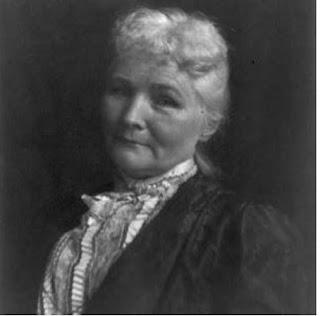
https://www.womenshistory.org/education-resources/biographies/mary-harris-jones


For example, Mary Harris, also known as Mother Jones, spent more than fifty years unionizing works throughout the country. Trained as a schoolteacher and seamstress, she was arrested, personally attacked, and faced with many hardships, but she earned an audience with United States Presidents from McKinley to Coolidge.

Regardless of the difficulties these early immigrants from Ireland faced, they came to America in hopes of finding a better life than the one they left behind. They set the example for chain immigrations, bringing family and relatives to the US, because they still believed in the American dream.


Leave a comment, and I’ll enter you into a random drawing for a free print (US only) or ebook (winner’s choice otherwise) of “Time Will Tell.” Don’t forget to cleverly disguise your email address so phishers can’t steal it: name AT email provider DOT extension For example, donna AT livebytheword DOT com


About “Time Will Tell”
:

After Sadie Bauer inherits her father’s watch and clock repair shop in Pueblo, she soon learns that Fate conspires against her.

Will O’Reilly longs to help this beautiful damsel in distress, but she’s about as prickly as a porcupine.

Can Sadie overcome her mistrust of men in general, and of a certain suave salesman in particular? Can Will get past his former betrothed’s infidelity? And can both learn to trust the God who makes all things beautiful in His time?

Check out the book here: https://www.amazon.com/dp/B09MNX4SKV


About Donna:


A hybrid author, Donna writes squeaky clean historical and contemporary suspense. She has been published more than 50 times in books; is a member of several writers groups; facilitates a critique group; teaches writing classes; ghostwrites; edits; and judges in writing contests. She loves history and research, traveling extensively for both.

www.DonnaSchlachter.com Stay connected so you learn about new releases, preorders, and presales, as well as check out featured authors, book reviews, and a little corner of peace. Plus: Receive a free ebook simply for signing up for our free newsletter!

www.DonnaSchlachter.com/blog