

Today, in America, there are plenty of opportunities for women to perform work once considered for men only, but not so much in 1861. Particularly in the Wild West. But that doesn’t deter Annelise Harper. Her new persona, Andy Harper, is physically able to keep up with her male counterparts in most areas. Since folks didn’t bathe often in those days, she manages to keep her secret until…
Well, that would be a spoiler, wouldn’t it?
My main character, Annelise Adams, an orphan, decides the Pony Express is her answer to her longing for adventure. But, of course, they don’t hire girls. So she cuts her hair, dresses like a boy, and is hired.
Did women actually ride for the Express? Rumors hold that several did, either disguised as boys or young men, or in their own right. Calamity Jane, for example, is believed to have ridden alongside the roughest and toughest of male riders, dressed in her trademark skirts.
The town of Julesburg, Colorado, was named after a scoundrel who lived there, owned most of the town, and ruled with an iron fist. Jules was not a nice person, and eventually he committed enough crimes that he skedaddled, just ahead of a new law that decided to take back the town.
It’s no wonder then that Clint Baker, an ex-convict, heads there. He has nobody and nothing, except that he served his time for his part in a bank heist in another state. And now here he is, trying to prove the old Clint is dead and this new man is somebody worth knowing.
But his past keeps haunting him, in the form of his cellmate, who wants to drag him back into the life.
Can he resist the lure of easy money? Or is he really on the straight and narrow?
And, in case you’ve not read any of the other books in the series, the Pony Express began in April 1860 and ceased operations in October 1861. That’s right. Such an iconic part of American history lasted about eighteen months.
During that time, following a trail that covered some 2,500 miles from Independence, Missouri to San Francisco, California, the company employed hundreds of men and young boys, riding thousands of horses, who lived in one of the 250 homestations or waystations along the route.
Each rider was assigned a particular route that covered a hard day’s ride east or west, and they traded out mounts every fifteen to twenty miles, depending on the terrain.

Unlike the romantic movies, television shows, and novels written about the Express, the job was difficult, tiring and tiresome, and sometimes dangerous. Nothing stopped the mail from getting through. Not floods, snowstorms, bandits, wild animals, or native uprisings. Surprisingly, not a single rider was killed or died, although many horses perished from the hard work, or were stolen or simpy went missing.
Perhaps the sense of adventure engendered by the Pony Express is what keeps it in the minds of folks. Maybe the fact that the Express united a country at a time when mail otherwise took months to travel the southern route, or go down around South America and come up the other way.
Ultimately, the company closed, being in debt some $600,000, when the telegraph connected the east and west coasts, but before that, the Express helped families stay in touch, carried President Lincoln’s acceptance speech, and allowed businesses to expand from sea to shining sea.

My latest Pony Express book releases tomorrow, September 29th, and it’s titled Hearts of Julesburg. As the name suggests, the story is set in the rough and tumble town of Julesburg, Colorado, in 1861.
You can pre-order the ebook here: https://www.amazon.com/Hearts-Julesburg-Pony-Express-Book-ebook/dp/B0C7FDMC4
About Hearts of Julesburg
Can a young woman who wants more adventure, and a young man running from his past, slow down long enough to allow God to intersect their lives?
About Donna:
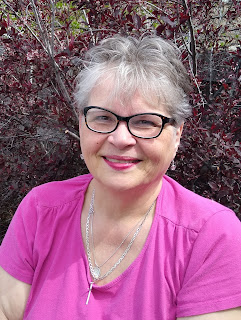
A hybrid author, Donna writes squeaky clean historical and contemporary suspense. She has been published more than 60 times in books; is a member of several writers groups; facilitates a critique group; teaches writing classes; ghostwrites; edits; and judges in writing contests. She loves history and research, traveling extensively for both, and is an avid oil painter. She is taking all the information she’s learned along the way about the writing and publishing process, and is coaching writers at any stage of their manuscript. Learn more at https://www.donnaschlachter.com/the-purpose-full-writer-coaching-programs Check out her coaching group on FB: https://www.facebook.com/groups/604220861766651
Connecting Online:
www.DonnaSchlachter.com Stay connected so you learn about new releases, preorders, and presales, as well as check out featured authors, book reviews, and a little corner of peace. Plus: Receive 2 free ebooks simply for signing up for our free newsletter!
www.DonnaSchlachter.com/blog
Facebook: www.Facebook.com/DonnaschlachterAuthor
Books: Amazon: http://amzn.to/2ci5Xqq
Bookbub: https://www.bookbub.com/authors/donna-schlachter
Goodreads: https://www.goodreads.com/search?utf8=%E2%9C%93&query=donna+schlachter
Need a writing coach? https://www.donnaschlachter.com/the-purpose-full-writer-coaching-programs
The Purpose-Full Writer: https://www.facebook.com/groups/604220861766651
Perhaps the sense of adventure engendered by the Pony Express is what keeps it in the minds of folks. Maybe the fact that the Express united a country at a time when mail otherwise took months to travel the southern route, or go down around South America and come up the other way.
Ultimately, the company closed, being in debt some $600,000, when the telegraph connected the east and west coasts, but before that, the Express helped families stay in touch, carried President Lincoln’s acceptance speech, and allowed businesses to expand from sea to shining sea.

My latest Pony Express book releases tomorrow, September 29th, and it’s titled Hearts of Julesburg. As the name suggests, the story is set in the rough and tumble town of Julesburg, Colorado, in 1861.
You can pre-order the ebook here: https://www.amazon.com/Hearts-Julesburg-Pony-Express-Book-ebook/dp/B0C7FDMC4
About Hearts of Julesburg
Can a young woman who wants more adventure, and a young man running from his past, slow down long enough to allow God to intersect their lives?
About Donna:

A hybrid author, Donna writes squeaky clean historical and contemporary suspense. She has been published more than 60 times in books; is a member of several writers groups; facilitates a critique group; teaches writing classes; ghostwrites; edits; and judges in writing contests. She loves history and research, traveling extensively for both, and is an avid oil painter. She is taking all the information she’s learned along the way about the writing and publishing process, and is coaching writers at any stage of their manuscript. Learn more at https://www.donnaschlachter.com/the-purpose-full-writer-coaching-programs Check out her coaching group on FB: https://www.facebook.com/groups/604220861766651
Connecting Online:
www.DonnaSchlachter.com Stay connected so you learn about new releases, preorders, and presales, as well as check out featured authors, book reviews, and a little corner of peace. Plus: Receive 2 free ebooks simply for signing up for our free newsletter!
www.DonnaSchlachter.com/blog
Facebook: www.Facebook.com/DonnaschlachterAuthor
Books: Amazon: http://amzn.to/2ci5Xqq
Bookbub: https://www.bookbub.com/authors/donna-schlachter
Goodreads: https://www.goodreads.com/search?utf8=%E2%9C%93&query=donna+schlachter
Need a writing coach? https://www.donnaschlachter.com/the-purpose-full-writer-coaching-programs
The Purpose-Full Writer: https://www.facebook.com/groups/604220861766651


