

ANNE GREENE here.
Straight, sleek modern hair was not fashionable during World War II.
Neither was the messy look. Perfectly styled, voluminous hair was trendy
throughout the war.
Girls wore complicated hairstyles to make up for fabric rationing.Shortages
of many materials, especially silk, leather and nylon dictated clothing
fashion. To compensate for severe wardrobe restrictions America women turned
away from the signature bob hairstyles of the Great Depression toward
more feminine styles.
The long curling styles demonstrated by movie stars from
Veronica Lake to Lauren Bacall are some of the most stylish hairstyles for
women in the history of hair fashion.
The peek-a-boo bang, the
top reverse roll, pin curls, side rolls, the up do, victory rolls, and the
pompadour were popular. The styles took patience and practice, but the result
was flattering and ultra-glamorous.
Hair
dyes were banned in 1926. However, by the 1940s safer hair dyes were marketed.
So women could achieve their desired hair color or hide embarrassing gray.
Blonde hair grew immensely popular due to
actresses such as Jean Harlow, Mae West, and Ginger Rogers. Blonde hair was
uncommon, so women wanted to achieve that look.
Upswept hairstyles
featured elegant hairdos such as the Bundles
for Britain style,
 which secured the hair with a pair of knitting needles.
This acknowledged knitting socks and sweaters for the troops. This hairstyle
suited working women, many of whom were engaged in working at looms weaving
items like woolen army uniforms.
which secured the hair with a pair of knitting needles.
This acknowledged knitting socks and sweaters for the troops. This hairstyle
suited working women, many of whom were engaged in working at looms weaving
items like woolen army uniforms.


A turban was a length of material made from soft wool or rayon crepe. It was tied on top of the head and the long ends tucked under. The turban could be decorated with pompoms or flowers.
During the war, many products were hard to come by and women made do with whatever they could get. Beer or sugar water was used as setting lotion, with pipe cleaners, rags or pin curls used to create the waves.
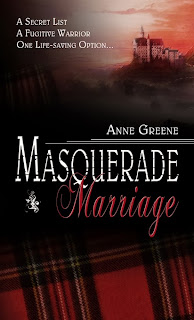 He was born to a clan of noted
warriors and musicians. Yet to protect his loved ones and escape the dark fate
of his brothers, he abandons his identity. Hiding from relentless soldiers who want
him dead, he vows to protect the woman he loves more than life, more than
freedom, more than
He was born to a clan of noted
warriors and musicians. Yet to protect his loved ones and escape the dark fate
of his brothers, he abandons his identity. Hiding from relentless soldiers who want
him dead, he vows to protect the woman he loves more than life, more than
freedom, more than Scotland
A VOW HONORED
A SACRIFICE MADE
A flurry of social activity such as charity balls and fundraisers
arose to support the war effort. Women entered the workplace to replace men
fighting abroad. The dress-up style referred to as the Purse Pompadour replaced a purse and a hat with a hidden fold of
hair to contain a powder compact and lipstick. Larger styles could even conceal
a small purse.
A braid hairpiece
offered elegant hairstyles for housewives who returned to the workplace. The Fairy-do, created by winding a braid
around the head above the temples, allowed a fold of hair to rest on the
forehead.
Waves were deep, soft and
sloping, like ripples of sand on a beach.
Rolls were an essential part of defining the WWII
look. Women could shape and position rolls as they wanted. Rolls could be situated on the top of
the head, at the sides or the back of the hair. Side rolls could be positioned
symmetrically on each side of the face, or there could be just one roll. The
shape of a roll could be helped with backcombing and by using rats.
A smooth roll going all round the back of the
hair and curled under was pageboyala Veronica Lake’s long pageboy.
A Victory Roll was a sausage at the
back of the hair that is rolled upwards. Women tied the top of an old
stocking around their heads like a headband and rolled the hair over it.
The name came from pilots who, on returning
from battle and having successfully shot down an enemy plane, did a victory roll, corkscrewing through the
air before landing.
Bangs
(Fringes) kept hair off the
face, so if a woman had a fringe, she dressed it into the hairstyle or pinned
it to one side. Hair never flopped onto the face. Fringes could be shaped into
a roll, or waved to one side, or part of a mass of curls that sat high onto the
face ala Betty Grable.
Hair grips, or bobby pins, were rare during the war, so women looked after
them. They were shiny and could be worn visibly. For extra decoration, a bow
made from ribbon could be added.
Combs and slides were made from Bakelite to look like
tortoiseshell. Combs kept rolls in place. Slides kept the side hair pinned out
of the way.
Braids
were popular and could
be either a person’s own long hair or added hair pieces. Plaited hair was used
in various ways including round the crown or round the back of the head.
Ribbons
were tied around the
head and finished with a bow on the top or to the side. Or a piece of ribbon
could be tied in a bow and attached via a grip to decorate the hair.
Rats, made of old stockings stuffed with more old
stockings, were used to bulk out rolls.
Snoods were a crocheted bag, often homemade, used to
keep the back of the hair neat. Sometimes snoods were made from the same
material as a dress to create a matching item.
Hairnets were used like a snood to keep the back of the hair neat and,
because they were less visible than a snood, they were considered more
sophisticated.
Scarves could be used as decorative pieces or to keep
the hair out of the face and came in a variety of materials, sizes and
patterns. They could be plaited into the hair and tied up. They could be folded
into a triangle and tied on top of the head, like a turban, or worn around the
head and knotted under the chin.
A turban was a length of material made from soft wool or rayon crepe. It was tied on top of the head and the long ends tucked under. The turban could be decorated with pompoms or flowers.
During the war, many products were hard to come by and women made do with whatever they could get. Beer or sugar water was used as setting lotion, with pipe cleaners, rags or pin curls used to create the waves.
Some older women still used the old hot
irons to put waves into their hair, heating the irons in the fire. People
recall the smell of their mother’s singed hair filling the house!
After the war, home perms became
available. They proved much easier than setting hair each night with rags and
pins.
Would you have liked going through
all the preparation a glamorous hairstyle took?
Or maybe you lived during the war.
Please share your story. Just look for the comment button.
If you are a writer, go to http://www.anneswritingupdates.blogspot.comfor
helpful lessons.
A SECRET LIST He was born to a clan of noted
warriors and musicians. Yet to protect his loved ones and escape the dark fate
of his brothers, he abandons his identity. Hiding from relentless soldiers who want
him dead, he vows to protect the woman he loves more than life, more than
freedom, more than
He was born to a clan of noted
warriors and musicians. Yet to protect his loved ones and escape the dark fate
of his brothers, he abandons his identity. Hiding from relentless soldiers who want
him dead, he vows to protect the woman he loves more than life, more than
freedom, more than
She weds a stranger to save his
life. But do vows make a marriage? When does a marriage become a marriage? What
if she holds a different love inside her heart?
Steeling himself against the pain,
he condemns himself to a life of heartbreak without her. Wanting her
desperately, knowing he can’t have her, he surrenders her and heads alone to
certain death. Outlawed, with a price on his head, does she love him enough to
give up castle, lands, and family, and risk the agony of surrendering her heart
a second time?
Leave a comment for a chance to win a free, autographed copy.
