Showing posts with label shell shock. Show all posts

Friday, June 12, 2020

The Invisible Wounds of War


Today I'd like to welcome Smitten Historical Romance author, Janet Grunst ~Denise Weimer


Trauma has been with mankind since the beginning of time. But it took until the late seventeenth century for the physical and emotional consequences of it to be given a name. Traumatic stress can result from any experiences that cause intense anguish. It can begin during or after the event(s), be of short or periodic duration, and be triggered unexpectedly by a myriad of causes.

What we now refer to as Post Traumatic Stress Disorder (PTSD) was identified by different names in the past in relationship to war. During the American Revolution, “Nostalgia” was the term for perceived homesickness and a general condition of melancholy. Those who suffered it experienced various problems such as loss of appetite, sleep disturbances, insomnia, physical weakness, anxiety, apathy, heart palpitations, irritability, fever, and depression. At the time, the effects of battle on men was often viewed as cowardice. Soldiers not only experienced combat but often existed under extreme conditions of exposure and a lack of food and clothing. After the Revolutionary War, some of these soldiers were considered insane. My post on America’s first mental health facility, Eastern State Hospital, established in 1773 in Williamsburg, is found at: https://colonialquills.blogspot.com/2013/06/the-first-mental-health-facility-in_17.html. In 1985, the Colonial Williamsburg Foundation rebuilt a replica of the original hospital on its excavated foundations. It currently operates as a museum.
The public hospital at Williamsburg
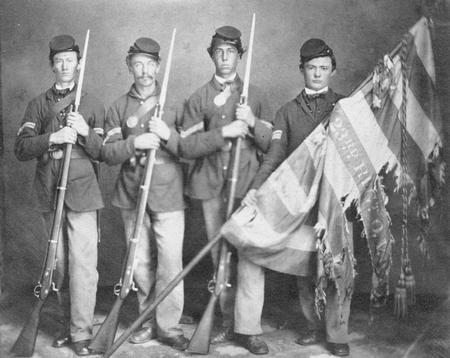
During the Civil War, military physicians began reporting service-related anxieties and fears. The expression “Soldier’s Heart” was coined by a cardiologist describing the symptoms of higher blood pressure and heart rate. And as in the Revolutionary War, combat, inadequate provisions, lack of sanitation, and disastrous conditions in POW camps all aggravated mental health issues.

St. Elizabeth's c. 1909-32, National Photo Co.
The Government Hospital for the Insane, founded in 1852 in Washington, D.C., expanded rapidly. Physicians did not know how to treat the trauma symptoms, leaving many soldiers with psychological wounds from the war. The battle trauma that soldiers suffered continued to be attributed to homesickness. Some of these afflicted soldiers were viewed as malingering or weak. Often veterans under treatment at the hospital were embarrassed and referred to the facility as “Saint Elizabeth’s Hospital.”

By the early twentieth century, the medical condition became known as “battle shock.” After WWI, it was referred to as “shell shock” and after WWII, “battle fatigue.”

While many Korean War combat veterans experienced traumatic events, many were not diagnosed or sought mental health treatment for battle fatigue.

It has been suggested that around 30% of returning Vietnam War veterans suffered from mental and emotional stress. A segment of society in the years during and following the war had a contemptuous attitude towards Vietnam veterans, portraying them as war mongers, baby killers, and drug addicts. It likely contributed to the high percentage of those suffering from the disorder. Even popular culture and movies often portrayed these veterans negatively. PTSD was eventually accepted as a diagnosis in 1980.

Fortunately, by the time veterans returned from subsequent wars, there has been acknowledgement, understanding, and treatment available for people enduring the consequences of trauma.


In my October release, Setting Two Hearts Free, both characters have experienced trauma. Donald Duncan joined the Patriot cause for noble reasons, but now the battle is internal. Returning home after six years to Virginia and a new life with Mary is his goal.

Mary Stewart spends the war years with her family at Stewarts’ Green. Daily, she prays for Donald’s safe return, eagerly waiting for him … until that day the evil side of war touches her.

Two hearts changed by a war. Two hearts left hurting and struggling to find the love and trust they once knew.

Janet Grunst is a wife, mother of two sons, and grandmother of eight who lives in the historic triangle of Virginia (Williamsburg, Jamestown, Yorktown) with her husband. Her debut novel, A Heart Set Free, was a Selah Award winner. A Heart For Freedom was a Christian Indie Award winner. She also has a novella in The Highlanders: A Smitten Historical Romance Collection. A lifelong student of history, her love of writing fiction grew out of a desire to share stories that communicate the truths of the Christian faith, as well as entertain, inspire, and encourage the reader.


​https://JanetGrunst.com
https://www.facebook.com/Janet-Grunst-Author-385405948228216  
https://colonialquills.blogspot.com/
https://www.pinterest.com/janetgrunst/  
https://twitter.com/janetgrunst

Friday, October 28, 2016

PTSD Throughout American History

by Tamera Lynn Kraft

US soldierWar is horrific. Those who choose to fight for the freedoms we share risk not only loosing their lives or suffering bodily harm, they face emotional turmoil of having their friends shot in front of them and dealing with the emotional scars that living in wartime condition create. In honor of the veterans who have served our country, here is how PTSD was handled throughout US history.

Revolutionary War: In the 1700s, PTSD was called nostalgia. A French surgeon described it as having three stages: 1) “heightened excitement and imagination,” 2) “period of fever and prominent gastrointestinal symptoms,” and 3) “frustration and depression” (Bentley, 2005).

Not much was written about the effects of the war on soldiers. But they had to have suffered emotionally. These men fought for the freedom of their country in conditions where they didn't have the resources needed to keep them warm, dry, and fed. Many died from starvation and exposure. Yet after the war, when they returned to civilian life, they were forgotten. The new nation couldn't even afford to pay them.

War of 1812: Again, not much was known about PTSD during this time, but the White House burning to the ground and British soldiers marching into America had to affect these soldiers after the war was over.

Civil War: The Civil War is when the condition of PTSD first started to be recognized as Soldier's Heart. This war was one of the bloodiest in history. One million soldiers were wounded or died in the conflict. Many soldiers returning from battle after the war suffered the effects of soldier's heart. Some were unable to enter society again. Other suffered silently, but we know about their pain from letters and journals they wrote. Alcoholism grew to record numbers after the war.

 World War I: In World War I, PTSD was called Shell Shock. Life in the muddy trenches caused desperation and emotional turmoil. Many soldiers suffering from shell shock were executed for cowardice instead of treated for an emotional condition. Others were institutionalized as insane and were taught skills like basket weaving to support themselves. After the war, many soldiers suffering from this were encouraged to keep it hidden because of the attitude toward it.

World War II: In World War II, Battle Fatigue was a recognized condition by psychiatrist. Over a million men who suffered from it during the war were pulled away from duty for treatment and rest. The attitudes toward it were still not favorable, and those suffering from the condition were considered weak. In one account, General Patton slapped a man suffering from battle fatigue and called him a coward.

Korea and Vietnam: The Diagnostic and Statistical Manual I (DSM-I) by the American Psychiatric Association (APA) in 1952 included a diagnosis for “gross stress reaction,” which was thought to be related specifically to combat-related trauma. However, “Gross Stress Reaction” was dropped from the DSM-II in 1968, for reasons that remain unknown (Andreasen, 2004). Soldiers from Vietnam were treated for Gross Stress Reaction, but their systems became worse when they returned home and were disdained for their service. Vietnam vets with PTSD were diagnosed as having Vietnam Combat Reaction, a severe form of PTSD.

Desert Storm and the War on Terror: PTSD, Post Tramatic Stress Disorder, is understood better now than it used to be, not only by mental health personnel who treat the disorder, but by the public. Soldiers go through a lot and need to be supported through the physical and emotional damage combat causes.

Tamera Lynn Kraft has always loved adventures and writes Christian historical fiction set in America because there are so many adventures in American history. She has received 2nd place in the NOCW contest, 3rd place TARA writer’s contest, and is a finalist in the Frasier Writing Contest.

Her novellas Resurrection of Hope and A Christmas Promise are available on Amazon and Barnes and Noble.