Showing posts with label Virginia. Show all posts

Monday, February 2, 2026

The Battle of Great Bridge - Norfolk, VA December 1775

Guest Blogger: Barbara Blythe

Today we welcome special guest, Barbara Blythe who is celebrating her new historical romance release, Far Grander Than Paradise. Welcome, Barbara!

*****

Picture a sleepy, farming village in December 1775, situated on the edge of the Great Dismal Swamp. Residents aren’t decorating Christmas trees—it’s not yet a custom in colonial Virginia—nor wrapping lavish gifts for Christmas morning as their means are modest. In the village of the Great Bridge, located along the Great Road (Battlefield Blvd. in modern day Chesapeake, Virginia) Lord Dunmore, the royal governor, having forbidden the Burgesses to meet has recently been pushed from Williamsburg by mounting unrest. He has commanded British soldiers to construct a fort along a southern branch of the Elizabeth River, a waterway that leads to the port town of Norfolk. Dunmore has decided to send his troops, composed of those belonging to the 14th Regiment of Foot, emancipated enslaved men belonging to Dunmore’s Ethiopian Regiment, and the Queen’s Loyal Regiment comprised of local loyalists and formerly indentureds, to engage the Patriots. Had you been a witness to those events, you would likely have thought any patriot force foolish enough to confront the British were lacking in sense. But...

For the past two years, I’ve volunteered at the Great Bridge Battlefield and Waterways History Museum as a docent, and I discover something new about this battle nearly every time I step inside the building. I have discovered what many considered untrained, undisciplined though zealous patriots, inferior to highly trained and seasoned British soldiers, surprised everyone. Not in a skirmish or minor ambush, but in an orchestrated attack.

Map of Great Bridge and Fort Murray
After escaping Williamsburg, Dunmore sought refuge on a British naval ship and sailed to Norfolk. The governor knew that many of the town’s residents were loyal Scots (Dunmore was Scottish) and would support his efforts on behalf of King George III. Tensions mounted through the fall of 1775 at which time, the British 14th Regiment summoned from St. Augustine, Florida to assist Dunmore, arrived. Hence, the necessity of a fort built along a navigable strip of the Elizabeth River. The Great Road village had prospered from its location near the river and the fact the area claimed the only passable land route taking one from northeastern North Carolina and terminating in Norfolk—and vice versa—without using a ferry or crossing shallow waterways on horseback or wheeled conveyance.

British Fort

By early December 1775, the British had taken up residence in the hastily constructed fort, having grown in number to approximately 600 men. Dunmore, certain his force would have little trouble subduing the patriots, underestimated the number assembled by the opposing force—nearly 900 in total. He also underestimated the marksmanship and superior rifles the patriots had brought to the battle, of note the Culpepper Minutemen, waving their battle flag proclaiming “Don’t Tread on Me” which bore the image of a snake.

Lord Dunmore

When December 9, 1775 dawned, Lord Dunmore commanded his troops to advance, the 14th Regiment the first line to march toward the Patriots. As they reached the wooden bridge, sentries from the patriot side confronted them, among their number a freed black man, William Flora, from Portsmouth, Virginia, who’d volunteered to fight with the patriots. He and his companions pulled boards from the bridge to restrict the soldiers’ progress. Eventually only Flora remained, firing numerous shots at the advancing British force. But once across the bridge, the British encountered a problem far worse than a sentry shooting at them. The narrow strip that connected the bridge to the village, a causeway, was narrow and limited the progress of the British as they collapsed to six men across to fit within the fourteen feet of width provided by the causeway. Surrounded on all sides by swampy wet lands—marsh, reeds, muck, and mire—the 14th Regiment faced a deadly assault from the riflemen protected by breastworks across the southern end of the causeway.

The battle lasted thirty minutes. The British retreated to the fort and by that evening had marched back to Norfolk. It was a Patriot victory no one expected.

Why was this win a major turning point in the pursuit of freedom from England? News of the victory spread throughout the colonies and across the Atlantic. Throughout the colonies the realization that obtaining independence from Great Britain was more than a dream. And that dream became reality, but not without extreme sacrifice. We should all value the efforts of those 900 men who gathered along the Great Road and the Great Bridge 250 years ago.


*****
ABOUT BARBARA:
   Bitten by the writing bug in sixth grade, Barbara was further encouraged in middle and high school. Upon graduating from college, she was in banking for 25 years and later, was an administrative assistant with a local school system. Life events altered Barbara’s dreams—unfinished manuscripts ended up in a file cabinet for many years. In 2023, after retiring, she joined a local ACFW group and dusted off her unfinished manuscripts with hopes of bringing to life fascinating historical stories. 

     Barbara’s priority is to honor God and share her commitment through her writing. Her stories are faith-driven, entwining actual historical events with her characters who discover love in spite of all that threatens to drive them apart. 

     Previously published novels are: Fire Dragon’s Angel, Ransom for Many, and Dance of Life. Newest release: Far Grander than Paradise. Website: https://www.barbarablythebooks.com/

Friday, January 9, 2026

The Ice Flood of 1918: When the Bay Inlets Froze

    _By Tiffany Amber Stockton


Here's a look back at the winter of 1917-1918, when parts of the Chesapeake Bay and coastal inlets froze so completely that people and carts crossed on ice. Can you believe it?

The Winter the Coast Stood Still


The tide had stopped breathing. From Chincoteague to Crisfield, the sea lay silent under a crust of ice so thick you could drive a wagon across it. Steamboats and other waterway vessels sat stuck for nearly a month due to the frigid temperatures and blizzard that brought uncharacteristic cold further south than it had ever remained for this long.

For people who depended on the water for travel and livelihood, it brought things to a halt. That freeze rearranged priorities overnight. Mothers stretched meals, and churches drew people together for warmth and survival.

The freeze affected nearly everything. Watermen couldn’t get to their oysters and crabs. Small towns that relied on regular marine deliveries had to deal with delayed supplies or no deliveries at all. Even the mail struggled to get through when boats were stuck and roads weren’t much better.

They Must Survive

People adapted, as they always do. Sometimes, you simply don't have a choice. And sometimes, you get the opportunity to tackle things that got pushed aside for more important needs. Like how men spent the downtime repairing boats and gear that normally never stopped long enough to get a thorough overhaul. And children did exactly what you’d expect. They tested the ice, ignored stern instructions, and had adventures they’d retell for decades afterward. :)
Now, I'm sure a little bit of tall tale snuck in there during the retelling at some of my family gatherings, but the details still tracked with real events. And no one challenged the report of a few men on their bellies pulling a wide sleigh across the ice to get much-needed supplies to island residents.

Thankfully, that blizzard and winter didn't end in disaster. But when I read about that experience, I'm reminded that my great-grandparents dealt with that surprise weather without modern forecasts, heated trucks, or social media updates. They had to rely on their common sense, neighbors, and a lot of layers of clothing. One of many good things came out of it, though.

They left us the stories!

NOW IT'S YOUR TURN:

* Have you ever heard an older family member talk about extreme weather conditions they endured?

* Do you know of any famous weather stories from your own hometown?

* If you lived in a coastal community back then, which part do you think would have been hardest: food, work, or travel shutting down?

Leave answers to these questions or any comments on the post below.

** This note is for our email readers. Please do not reply via email with any comments. View the blog online and scroll down to the comments section.

Come back on the 9th of each month for my next foray into historical tidbits to share.


BIO

Tiffany Amber Stockton has embellished stories since childhood, thanks to a very active imagination and notations of talking entirely too much. Honing those skills led her to careers as an award-winning and best-selling author and speaker, while also working as a professional copywriter/copyeditor. She loves to share life-changing products and ideas with others to help them get rooted in truth and live a life of purpose.

Currently, she lives with her husband and fellow author, Stuart Vaughn Stockton, along with their two children, two dogs, and five cats in southeastern Kentucky. In her 20+ years as a professional writer, she has sold twenty-six (26) books so far and has agent representation with Tamela Murray of the Steve Laube Agency. You can find her on Facebook and GoodReads.

Tuesday, September 9, 2025

Floodwaters and Foundations on the Eastern Shore

_By Tiffany Amber Stockton

Tucked away in a quiet corner of southeastern Kentucky, my little nook is usually spared the brunt of nature’s wilder tantrums. But my beloved Chincoteague Island? Not so fortunate.

Dancing with the Elements

Let’s start with a geography lesson...with a twist.

Many in the U.S. aren't familiar with the name Delmarva. And I get it. This area often gets overlooked as insignificant. Many regions do, especially if they don't create national impact. But this peninsula is made up of DELaware, plus parts of MARyland and VirginiA. Pretty straightforward, right? Not for everyone, as I've learned. Chalk it up to being raised in the area and surrounded by the regional influences. :)

Years ago, during a family reunion on Chincoteague, I told a relative I was from Delaware. They blinked at me and asked, “Where’s that?” Rather than spell it out, I asked them if they knew the name of the peninsula where they lived, and they said, "Delmarva, of course." I then asked what the name Delmarva meant. Their answer? “That’s the electric company!”

Cue my teenage eye roll.

Eventually, I asked them to name the states that make up Delmarva. Some got Virginia and Maryland right away. Delaware? Crickets. Now, mind you, Delaware isn’t just one of the three. It actually takes up over 60% of the land area. For lifelong residents of the peninsula not to know that? That’s a sad commentary on the state of geographic literacy in our country. But I digress.

Forgotten in the Forecasts

Just as Delaware often gets left out of conversations, so does Delmarva when it comes to national weather reports. Hurricanes are tracked up the Eastern Seaboard with warnings issued for Florida, Georgia, the Carolinas, New Jersey, and New York. But Delmarva and the MidAtlantic? Often skipped.

And yet, this region has experienced record-breaking flooding after some of the most devastating hurricanes in U.S. history. One such nor'easter in 1933 permanently severed a barrier island just south of Ocean City, MD and created 2 separate islands. Storms in this area hit quite hard with lasting effects.

Why? Because of how the weather systems collide.

Hurricanes coming from the southeast often clash with cold fronts sweeping toward the coast from the northwest. The result? A swirling, soggy mess that parks itself right over the peninsula, dumping rain for days. Historically, these storm patterns affected everything from local farming to smuggling operations during the Revolutionary War, when blockade runners would navigate Chincoteague Harbor to move goods south.

But when the peninsula turned into a swampy floodplain in late summer, travel became treacherous. There was more marshland than dry ground. One of these storms occurred when the famous horse, Misty, was about to give birth to one of her foals. He was named Stormy, as a result.

Wading Through Chincoteague

Flooding isn’t a freak occurrence on Chincoteague. It’s part of the rhythm of life.

As a kid visiting in late summer, I remember rolling up my jeans and kicking off my sandals to wade through water that sometimes reached our knees...or higher! On stormy weeks, residents would break out rowboats to navigate the streets. Picture this: getting dressed for Sunday meeting, only to pile into a boat instead of a car.

Some folks swoon over the gondolas of Venice, Italy. But I’m not so sure I’d enjoy that as a yearly lifestyle. There’s a fine line between charming and exhausting. And Chincoteague’s flooding can easily tip the scales.

The Aftermath and Adaptations

Of course, it’s not all whimsical boat rides and soggy socks. Flooding brings real danger. Property loss, structural damage, and sometimes even loss of life. That’s why so many homes and buildings on Chincoteague are built elevated, with raised foundations or full-blown stilt systems, much like beachfront homes all across the coastlines.

When storms destroy, rebuilds happen. Elevation has now become a way to survive.

Rain Boots and Resilience

Having grown up all around the Chesapeake Bay, I’ve seen my share of hurricanes, nor’easters, and relentless downpours that stretch for days.

My most recent visit to Chincoteague? Pony Penning Day. Unlike the last time I visited and had to trudge around the island with soaked shoes and mud-splattered legs, this time the weather cooperated with blue skies and warm temperatures. The ponies? Totally unfazed. The soggy marshland is their playground.

And it’s not just summer rains that cause trouble. Winter storms combined with high tides have also brought eerie sights. Ice floating in flooded streets. Snow meeting saltwater. Frozen sheets of water. A frosty floodplain.

Chincoteague takes it all in stride, just like the ponies. The islanders adapt, rebuild, and press on. It’s part of their story. And thanks to family roots and muddy memories, it’s part of mine, too.


NOW IT'S YOUR TURN:

Have you ever experienced flooding where you live? How did your community adapt or prepare for future storms?

If you lived on Chincoteague Island, would you embrace the “boat-to-church” adventure or head for higher ground?

Do you know the geography of your own region? What fun or surprising facts could you share that most people overlook?

Leave answers to these questions or any comments on the post below.

** This note is for our email readers. Please do not reply via email with any comments. View the blog online and scroll down to the comments section.

Come back on the 9th of each month for my next foray into historical tidbits to share.


BIO

Tiffany Amber Stockton has embellished stories since childhood, thanks to a very active imagination and notations of talking entirely too much. Honing those skills led her to careers as an award-winning and best-selling author and speaker, while also working as a professional copywriter/copyeditor. She loves to share life-changing products and ideas with others to help them just get rooted and live a life of purpose.

Currently, she lives with her husband and fellow author, Stuart Vaughn Stockton, along with their two children, two dogs, and five cats in southeastern Kentucky. In her 20+ years as a professional writer, she has sold twenty-six (26) books so far and has agent representation with Tamela Murray of the Steve Laube Agency. You can find her on Facebook and GoodReads.

Sunday, March 9, 2025

Ash Wednesday Storm of 1962 on Chincoteague

 By Tiffany Amber Stockton


With each passing week, I find myself returning to the culture, resilience and strength I find in a tiny little island with a big history, and one where my own family history is so richly intertwined. As I'm still buried in this current book where I hope to showcase that charm, let's take a little walk together through the sands of time.

The Resilient Community of Chincoteague Island


Throughout history, certain places stand as testaments to human resilience, where the past and present merge to tell stories of perseverance. Chincoteague Island is one such place—a small coastal town that has weathered many storms through the strength of its people. Known for its wild ponies, maritime traditions, and tight-knit community, Chincoteague offers a glimpse into a past where survival depended on cooperation, ingenuity, and an unwavering commitment to one another.

From its early days as a fishing and oystering community to its modern role as a beloved tourist destination, the island has faced its share of challenges. Fierce hurricanes, devastating fires, and economic shifts have tested the mettle of its people.

One of the most defining moments in Chincoteague's history was the Ash Wednesday Storm of 1962 (the same storm where Misty gave birth to her foal, Stormy, and another author penned a book about him). This brutal nor'easter ravaged the island, flooding homes and businesses, and leaving residents with an overwhelming task of rebuilding.

It was called the "Storm of the Century" for this area, but neighbors helped neighbors, families opened their doors to the displaced, and the town came together to restore what had been lost. In doing so, they preserved more than just buildings—they safeguarded a way of life rooted in community.

Chincoteague's history is also about the enduring strength of its people. The annual Pony Swim, a tradition dating back to 1925, is a perfect example of how the island's residents have turned their way of life into a legacy. Orchestrated by the Chincoteague Volunteer Fire Company, the event supports the town's emergency services while keeping a unique historical tradition alive. What began as a practical solution for managing the island's wild pony population has become a symbol of the town's unity and determination.

This unyielding spirit, passed down through generations, remains the foundation of life on the island. Here, history is found in the hands of fishermen mending their nets, in the voices of storytellers sharing tales of storms and survival, and in the quiet strength of a town that refuses to be defined by its hardships.

Visitors may come for the island's beauty and folklore, but they leave with something more—a deep appreciation for a place shaped not just by time, but by the indomitable spirit of its people.

NOW IT'S YOUR TURN:

* What is a storm (literal or figurative) you've weathered? Did you do it alone or with support?

* Do you live in a small town? What do you love the most, and what's one of the biggest challenges you face?

* If you don't live in a small town, would you ever? Why or why not?

Leave answers to these questions or any comments on the post below.

** This note is for our email readers. Please do not reply via email with any comments. View the blog online and scroll down to the comments section.

Come back on the 9th of each month for my next foray into historical tidbits to share.

BIO

Tiffany Amber Stockton has embellished stories since childhood, thanks to a very active imagination and notations of talking entirely too much. Honing those skills led her to careers as an award-winning and best-selling author and speaker, while also working as a professional copywriter/copyeditor. She loves to share life-changing products and ideas with others to help improve their lives in a variety of ways, but especially from the inside out.

Currently, she lives with her husband and fellow author, Stuart Vaughn Stockton, along with their two children, three dogs, and three cats in southeastern Kentucky. In her 20+ years as a professional writer, she has sold twenty-six (26) books so far and has agent representation with Tamela Murray of the Steve Laube Agency. You can find her on Facebook and GoodReads.

Sunday, February 9, 2025

Tiny Island, Big History

By Tiffany Amber Stockton


So, as if my life didn't have enough happening, I decided it was a good idea to sign on with a monthly challenge with a few other authors who are part of my local writer's chapter. Although I've remained consistent with article writing, copywriting and copyediting, it has been a few years since I last had a fiction novel release. This challenge is helping me flex those story muscles and form a daily habit that will lead to me finishing this book that has been sitting on my computer for far too long.

Although the research is already done, today I'm sharing a little background of unique facts about this little island called Chincoteague, just off the Eastern Shore of Virginia and to the east of the Delmarva Peninsula.

CHINCOTEAGUE ISLAND

The history of human activity in Chincoteague, on the Eastern Shore of Virginia, begins with the Native Americans. Settlers from Europe swooped in and overtook the land in the late 17th century, but until then, the Chincoteague Indians used it as a place to gather shellfish. They aren't known to have lived there, though, as the island lacked suitable soil for their agriculture. Marshland doesn't typically grow much of anything except reeds.

Picturesque view of Chincoteague away from the populated
portion of the island (looking toward Assateague)
Once the European settlers inhabited the island, a series of disputes over who would own the island ensued. That led to patents being issued and a final resolution of an even split between two gentleman. With ownership of the island settled, it mostly existed as a place to house livestock, since they could feed off the marsh grasses. No need for fences or other enclosures to prevent the animals from straying either. How far could the animals go when they're on an island surrounded by water? (grins)

This led to the origin of the ponies on Assateague, though legends reported a Spanish shipwreck which left the ponies as cargo to swim to the nearest island. Historians believe the legend of the shipwreck simply became entwined with the history of the ponies until it was accepted as "truth." Funny how history does that from time to time. Makes me wonder just how much of unrecorded history is truly fact or merely embellished truths spoken from generation to generation until the truth and the embellishment can no longer be separated. Have you ever come across details like this?

Anyway, back to Chincoteague.

Stanley Jester (a distant cousin) harvests oysters by hand at low
tide in his oyster bed in the shallows of Chincoteague Bay
For the next hundred years or so, the island remained a place to house livestock for owners living on the mainland of Virginia. Following the Revolutionary War, residents realized the potential of business and industry through the abundance of shellfish in the area. This industry became so big, shipments went as far north as New England to the cities steadily growing there, and as I mentioned last month, my grandfather's family lived here. It was shellfish being provided to the White House under President Woodrow Wilson which led to my great-grandfather's cousin marrying the president while he was in office, leaving me with a family connection to "American royalty."

Throughout these years of shellfish and seafood industry, Chincoteague thrived. In 1876, a rail line completed a stop just 5 miles from the island with a steamship completing the distance. This gave oystermen an efficient means of getting their shellfish to market and began the wave of tourists escaping the city heat in the summer. Tourism hasn't slowed since.

NOW IT'S YOUR TURN:

* If you had an island similar to Chincoteague just a short distance across a narrow channel from where you lived, what would you do with it?

* Are you a fan of shellfish or seafood? What's your favorite?

* What recounting of an event do you know where the real truth has been fused with legend or unrecorded history? How much is true and what is legend?

Leave answers to these questions or any comments on the post below.

** This note is for our email readers. Please do not reply via email with any comments. View the blog online and scroll down to the comments section.

Come back on the 9th of each month for my next foray into historical tidbits to share.

BIO

Tiffany Amber Stockton has embellished stories since childhood, thanks to a very active imagination and notations of talking entirely too much. Honing those skills led her to careers as an award-winning and best-selling author and speaker, while also working as a professional copywriter/copyeditor. She loves to share life-changing products and ideas with others to help improve their lives in a variety of ways, but especially from the inside out.

Currently, she lives with her husband and fellow author, Stuart Vaughn Stockton, along with their two children, three dogs, and three cats in southeastern Kentucky. In her 20+ years as a professional writer, she has sold twenty-six (26) books so far and has agent representation with Tamela Murray of the Steve Laube Agency. You can find her on Facebook and GoodReads.

Friday, February 9, 2024

William Henry Harrison: Oldest President at the Time

  __By Tiffany Amber Stockton__


In January, The City That Never Sleeps received the spotlight focus. Today, I thought I'd cover a little known president and why not much is known about him.

THE SHORTEST TIME SERVED

American President William Henry Harrison came into this world on February 9, 1773, in Charles City County, Virginia. Coming from a very prominent and successful Virginia family, he received the best education possible by his parents. Harrison’s father desired that he pursue the medical field, and Harrison proceeded to study at the University of Pennsylvania.

He loathed the medical field, but he still obeyed his father’s wishes. The death of his father in 1791 changed many things. Since his parents financially funded his education, he no longer had the necessary funds to continue his studies and became rather impoverished. 

Harrison searched for a new path in life and found it in the U.S. military. From Virginia governor Henry Lee, Harrison received a commission as an ensign in the Army, and he travelled west with the U.S. 1st Infantry regiment to serve under General Anthony Wayne.

Harrison rose quickly with a natural talent for leading soldiers, and the General appointed Harrison as his aide-de-camp. As Wayne’s personal assistant and secretary, Harrison learned the skills needed to command an army on America’s frontier.

Almost 20 years later, Harrison put these skills to use as a General commanding troops during the War of 1812. Serving in the Northwest Theater of war in and around present-day Ohio and Michigan, Harrison led America’s troops against the British and Indians. He famously forced them back into Canada and won a crushing victory at the Battle of the Thames.

Following the war, Harrison used the fame he had won in battle to catapult himself into service as a politician, serving as a Senator, Governor of Indiana, and Minister to Columbia. His moniker of Tippacanoe during his military service gave him political advantage, and he used the slogan, "Tippacanoe and Tyler too!"

In 1840, Harrison was elected President and became the oldest Commander and Chief until Ronald Reagan.

After his election, Harrison was determined that his inauguration speech would be the best possible. He spoke for one hour and 45 minutes about his agenda in the midst of terrible winter weather. Just one month later, on April 4, 1841, William Henry Harrison died of pneumonia. This unfortunately earned him the distinction of having served the shortest time ever by a U.S. President.

It also created a conundrum, as no other president had died while in office. No one knew what to do. The Vice President, John Tyler, insisted he step into the role, which he did, but the United States didn't solve the issue of succession until the passing of the 25th amendment in 1967.

Quick facts:
  • William's grandson, Benjamin, also became president, making them the only grandfather-grandson pair to serve in this role.
  • In campaign antics, a group of Whigs pushed a 10-foot ball made of tin and paper slogans of Harrison’s for hundreds of miles (and thus the phrase “get the ball rolling” began).
  • Other Whig supporters passed out whiskey in bottles which came from the E.C. Booz distillery, and from this comes the word “booze.”

NOW IT'S YOUR TURN:

* A few notable tidbits about President Harrison. Which one did you find most interesting?

* Share about a time when you thought you traveled a secure path, only to have a sudden course shift that took you somewhere completely unexpected.

* What tidbits do YOU know about any of the U.S. presidents?


** This note is for our email readers. Please do not reply via email with any comments. View the blog online and scroll down to the comments section.

Come back on the 9th of each month for my next foray into historical tidbits to share.

For those interested in my life as an author and everyday gal, what I'm currently reading, historical tidbits, recommended reads, and industry news about other authors, subscribe to my monthly newsletter. The February edition was just sent out. Receive a FREE e-book of Magic of the Swan just for subscribing.


BIO
Tiffany Amber Stockton has been crafting and embellishing stories since childhood, when she was accused of having a very active imagination and cited with talking entirely too much. Today, she has honed those skills to become an award-winning, best-selling author and speaker who is also a professional copywriter/copyeditor. She loves to share life-changing products and ideas with others to help improve their lives in a variety of ways.

She lives with her husband and fellow author, Stuart Vaughn Stockton, along with their two children, one dog, and three cats in southeastern Kentucky. In the 20 years she's been a professional writer, she has sold twenty-six (26) books so far and is represented by Tamela Murray of the Steve Laube Agency. You can find her on Facebook and GoodReads.

Thursday, November 9, 2023

State Name Origins - Part V

     By Tiffany Amber Stockton


In October, my post focused on the world-famous and first ever of its kind surgery in 1809 to remove a tumor from a woman thought to merely be pregnant. You can read last month's post if you missed it.

Today, it's time for the final 10 state name history stories. I can tell you're sitting on the edge of your seat, anxious with anticipation at seeing these posts come to a close. :)

STATE NAMES and their ORIGINS

One thing I found interesting with this list is it's almost a 50/50 split of the state names starting with a letter of the alphabet from either the first half or second half of the 26 letters. Montana is the 26th state out of 50 and the last one with an "M." The remaining 24 states come from the latter half of the alphabet. It would have been fun to see 25 of the states start with letters in the first half of the alphabet and the other 25 from the second half, but we're close!


South Carolina is also named after the monarch, King Charles II, as Carolus is the proper Latin version of Charles.

South Dakota, like North Dakota has the word Dakota which describes the Dakota people, but it also means friendly or allies.

Tennessee (was included in group IV)

Texas is another old Spanish name from the word tejas, meaning friends or allies.

Utah has a short, spunky sound from the Spanish yuta, the name given to indigenous Uto-Aztecan people of the mountains.

Vermont has an elegant French sound and meaning – mont vert means green mountain in French.


Virginia is a Latin nod to sovereign Elizabeth I, the Virgin Queen.

Washington is named for President George Washington. His surname means estate of a man named Wassa in Old English.

West Virginia is simply the western separation from the original Virginia colony, so it has the same origin as Virginia.

Wisconsin may come from the Miami word meskonsing, which was spelled by the French as mescousing and then shifted to ouisconsin.

Wyoming has origins from the Algonquian wewamink, meaning at the big river flat. There is another theory, however, that states Wyoming comes from a word for mountains and valleys alternating.

And that's a wrap of all 50 states with their known origins. If you're like me and LOVE puzzles but haven't done so yet, download this PDF for some puzzle challenge fun.

NOW IT'S YOUR TURN:

* Which one of these states was the most fascinating to you?

* Do you live in any of the 10 featured states this month? If so, do you have any other unique tidbits about your state?

* Which state origin of all 50 states surprised you the most? Why?


** This note is for our email readers. Please do not reply via email with any comments. View the blog online and scroll down to the comments section.

Leave answers to these questions or any comments you might have on this post in the comment box below. For those of you who have stuck around this far, I'm sending a FREE autographed book to one person every month from the comments left on each of my blog posts. You never know when your comment will be a winner! Subscribe to comments so you'll know if you've won and need to get me your mailing information.

Come back on the 9th of each month for my next foray into historical tidbits to share.

For those interested in my "fictional" life as an author and industry news about other authors, subscribe to my quarterly newsletter. Receive a FREE omitted chapter from my book, A Grand Design, just for subscribing!


BIO
Tiffany Amber Stockton has been crafting and embellishing stories since childhood, when she was accused of having a very active imagination and cited with talking entirely too much. Today, she has honed those skills to become an award-winning, best-selling author and speaker who is also a professional copywriter/copyeditor. She loves to share life-changing products and ideas with others to help improve their lives in a variety of ways.

She lives with her husband and fellow author, Stuart Vaughn Stockton, along with their two children and four cats in southeastern Kentucky. In the 20 years she's been a professional writer, she has sold twenty-six (26) books so far and is represented by Tamela Murray of the Steve Laube Agency. You can find her on Facebook and GoodReads.

Tuesday, August 9, 2022

George Rogers Clark Doubles U.S. Territory + HUGE Giveaway

 By Tiffany Amber Stockton


Last month, we delved into the history and development of Bluegrass music and the inspirations behind it stemming from the ballads of Scotland and Ireland. If you missed last month's post, you can read it here.

Today, it's back to some names of individuals who contributed greatly to the expansion into the Frontier west of the Appalachians.

AMERICAN FRONTIER PIONEER

When stories from the Revolutionary War are told, towns like Lexington and Concord or events like Crossing the Delaware and winter at Valley Forge are brandished everywhere. How often do you hear about the American Frontier, though? Sure, Daniel Boone and Davy Crockett are the names of many bigger-than-life folk tales, but what about the heroes who are often overlooked?

Although Daniel Boone made great strides toward opening up the frontier on the other side of the Appalachian Mountains by leading hundreds through the Cumberland Gap, he didn't succeed alone. Many other frontiersman with equally expansive visions played vital roles, and George Rogers Clark was one of them.

Born to wealthy landowners in Virginia, he spent most of his early years right on the westernmost border of what outlined the United States at the time. He was a red-headed giant (I like him already! *winks*) and commanded quite a presence with his confidence and knowledge, but he was also adept at persuasion. When the Revolutionary War began, he convinced Virginia to declare Kentucky a county of Virginia in order to secure supplies, then convinced Patrick Henry to send him and a small army to capture British outposts along the Ohio River.

There was a ruling from England that settlers could not expand west across the mountains, but colonists didn't exactly like those restrictions, so the adventurous pioneers moved out there anyway. In retaliation, the British engaged Native Americans to attack any settlements, leaving most settlers unprotected. That's where Clark stepped in to gain support.

His efforts led to the overtaking of multiple forts along the Ohio River (often with no exchange of gunfire) as well as negotiations with several Indian tribes, convincing them to stop fighting for the British. By the end of the War, Clark had amassed a substantial amount of land for the United States through mostly peaceful engagements, nearly doubling its existing territory. The area he secured through his military leadership would become present-day Ohio, Indiana, Illinois, and Kentucky, with Michigan, Wisconsin, and Minnesota also included.


Unfortunately, as the highest ranking officer leading those campaigns, he often had to personally sign for supplies. When he appealed to the state of Virginia to cover the costs, no one wanted to take responsibility for those wartime debts. He died penniless in 1818. Only his heirs were able to finally receive a settlement from the government four years later.

Even though his accomplishments were discounted during his lifetime, the role Clark played in America's westward expansion is definitely recognized today.

Fun Fact: In 1783 Thomas Jefferson asked Clark if he would lead an expedition to explore the western part of the continent. Although Clark decided against the invitation, he later brought his youngest brother William to Jefferson’s attention. That's right. William Clark, the man who partnered with Meriwether Lewis to explore the Louisiana Purchase lands. :)


NOW IT'S YOUR TURN:

* What was your favorite part about today's post?

* If you live in any of the current states from the Northwest Territory, are you aware of any monuments, statues, plaques, etc. that honor George Rogers Clark?

* Who is a lesser-known hero in *your* area that might deserve bigger notice than the history books have granted?

Leave answers to these questions or any comments you might have on this post in the comment box below. For those of you who have stuck around this far, I have started a new pattern of sending a FREE autographed book to one person each and every month from the comments left on this blog. You never know when your comment will be a winner! Be sure to come back to this post to see if you've won.

Return to this blog every day for fascinating historical influences, but for my next contribution, visit on the 9th of September to learn about Stephen Bishop, the slave who explored Mammoth Cave and helped turn it into a tourist attraction!

For those interested in my "fictional" life as an author and industry news about other authors, subscribe to my quarterly newsletter. Receive a FREE omitted chapter from my book, A Grand Design, just for subscribing!


To celebrate reaching 3 Million views, HHH is hosting a HUGE giveaway of over 60 books in 18 prizes, so there are many chances to win! One grand prize will consist of 10 books, two readers will win a second prize containing 5 books, and there will be 15 winners of a third prize containing 2 books each. There are several ways to earn entries, such as following or commenting on the HHH blog each day. You can also enter with your email address at Rafflecopter using the link below. Thank you for being part of the HHH community, and best wishes in the giveaway!


Here are the 5 titles I donated to the giveaway:


Tiffany Amber Stockton has been crafting and embellishing stories since childhood, when she was accused of having a very active imagination and cited with talking entirely too much. Today, she has honed those skills to become an award-winning, best-selling author and speaker who is also an advocate for literacy as an educational consultant with Usborne Books. She loves to share life-changing products and ideas with others to help improve their lives in a variety of ways.

She lives with her husband and fellow author, Stuart Vaughn Stockton, along with their two children, two dogs, and two cats in Kentucky. In the 20 years she's been a professional writer, she has sold twenty-six (26) books so far and is represented by Tamela Murray of the Steve Laube Agency. You can find her on Facebook and GoodReads.

Wednesday, February 9, 2022

Kentucky - First State West of the Appalachians

   By Tiffany Amber Stockton


Last month, I began a new series on Kentucky history and the pioneers who established the state. If you missed that post, you can read it here. This month, we're delving a bit more into Daniel Boone and his forays into the Kentucky frontier.

DANIEL BOONE - KENTUCKY PIONEER


Kentucky was granted statehood in 1792, becoming the first U.S. state west of the Appalachian Mountains. I spent 25 years of my life in Delaware, the First State of U.S., so it's ironic I now live in another "first state." While the original thirteen colonies were engaging in small battles with England over governorship, taxes, political representation, and various freedoms, many residents of those colonies decided to strike out on their own and start exploring the frontier to the west.


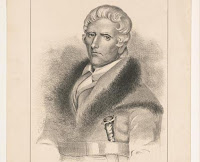
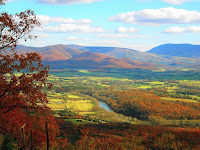
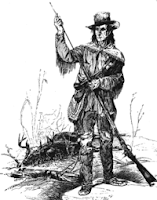
Frontiersman Daniel Boone was one of Kentucky’s most prominent explorers, and many immigrants followed the trail he blazed through the Cumberland Gap, known as the Wilderness Road. His story doesn't begin there, though. He was born in 1734 in a small township northwest of Philadelphia, and at age 15 left Pennsylvania with his family. They headed to the Shenandoah Valley of Virginia, but Daniel left not long after and settled along the Yadkin River near the western edge of North Carolina.


Instead of farming, Boone became a marker or long hunter and made his living selling deerskins from long hunting expeditions out in the wilderness. He was gone for months or years at a time with that trade. In 1755, while serving as a wagoner for General Braddock back in Pennsylvania, he met a trader who regaled him with stories of the abundant wildlife and financial opportunities west of the Appalachian Mountains. But that exploration was put on hold when Daniel married and started a family. He continued to hunt throughout the Carolinas and even down to what became Florida.

In early 1769, that trader (John Findley) found Daniel again and relit the spark in Boone's wanderlust nature. He spent the next four years exploring that wilderness area, and in 1773 began escorting settlers with the intention of permanently settling Kentucky. In 1775, a judge enlisted Boone's help to negotiate with Cherokee tribes and purchase their claims, then he cut a path through southwestern Virginia and northeastern Tennessee that would become the Cumberland Gap Road.

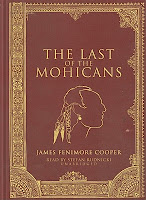
Despite ownership of the land, the settlement of Kentucky was fraught with a great deal of conflict, as England secured the support of the natives to attack settlers during and even after the Revolutionary War. Many were captured and forced to live among the Cherokee or Shawnee. Boone was one of them, although he only lived among the Shawnee for a few months before escaping. His daughter had been captured the year before, but immediately rescued by Boone and his men. That story was eventually immortalized by James Fennimore Cooper in The Last of the Mohicans.

For the next seven or eight years, raids continued and casualties increased. So many battles, and so many deaths among the British, the American settlers, and the natives, all over who would ultimately own the land. By 1787, the British were completely run out and in 1792, statehood was granted. Nearly thirty years of exploration, settlement, and defense had ultimately produced a new state for the U.S., and Daniel Boone became immortalized in American history.


NOW IT'S YOUR TURN:

* Have you ever left your family to move or settle in a completely different region?

* What famous settlers or pioneers are known where you live?

Leave answers to these questions or any comments you might have on this post in the box below. Come back on the 9th of March to learn some fun facts pertaining to Kentucky.


For those interested in my "fictional" life as an author and industry news about other authors, subscribe to my newsletter. Receive a FREE omitted chapter from my book, A Grand Design, just for subscribing!


BIO
Tiffany Amber Stockton has been crafting and embellishing stories since childhood, when she was accused of having a very active imagination and cited with talking entirely too much. Today, she has honed those skills to become an award-winning, best-selling author and speaker who is also an advocate for literacy as an educational consultant with Usborne Books. She loves to share life-changing products and ideas with others to help improve their lives in a variety of ways.

She lives with her husband and fellow author, Stuart Vaughn Stockton, along with their two children and two cats in Kentucky. She has sold twenty-four (24) books so far and is represented by Tamela Murray of the Steve Laube Agency. You can find her on Facebook and GoodReads.